

استارلینک به عنوان شاهراهی برای ایرانیان در مبارزه با سانسور ظهور میکند
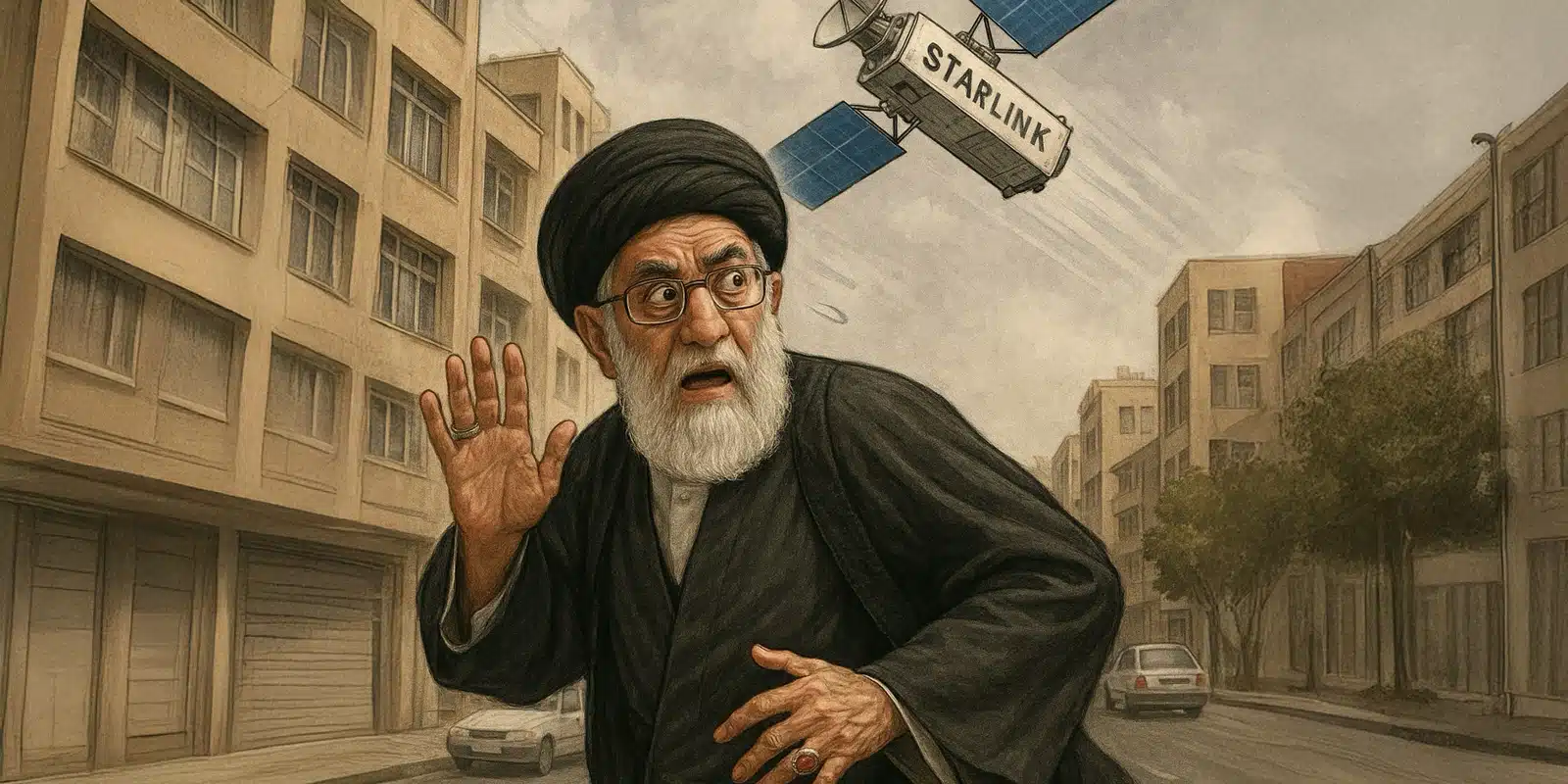
بحران داخلی ایران به مرحله بحرانی رسیده است، زیرا مقامات محدودیتهای اینترنتی را تشدید کرده و برای سرکوب ناآرامیهای رو به رشد، قطعیهای گسترده اعمال میکنند. خبرگزاری دولتی ایرنا حتی اعتراضاتی را که اکنون کشور را فرا گرفته است را تأیید کرده، اقدامی غیرمعمول که شدت اوضاع را برجسته میکند. اقدامات دولت در بحبوحه حملات هوایی شدید اسرائیل و افزایش تنشهای داخلی، به ویژه در تهران، جایی که ناامیدی عمومی قابل لمس است، صورت میگیرد. با توجه به تهدید تظاهرات گسترده بر رژیم، مقامات تمام تلاش خود را برای تثبیت اوضاع انجام میدهند. با این حال، در حالی که دولت تلاش میکند شهروندان خود را ساکت کند، فناوری ممکن است راهی برای خروج ارائه دهد. بسیاری از ایرانیان اکنون استارلینک، شبکه اینترنتی ماهوارهای که توسط شرکت اسپیس ایکس ایلان ماسک اداره میشود، را به عنوان امیدوارکنندهترین ابزار خود برای دور زدن سانسور و ارتباط مجدد با جهان میبینند.
از زمان آغاز عملیات «طلوع شیران» توسط اسرائیل، رژیم ایران برای شکل دادن به روایت ملی تلاش کرده است. حملات اسرائیل – که از زوایای مختلف فیلمبرداری شده و به طور گسترده به اشتراک گذاشته شده است – آسیبپذیریهای رژیم را آشکار کرده و اعتماد عمومی را متزلزل کرده است. حملات هوائی اسرائیل، نه تنها تهران، بلکه زیرساختهای کلیدی گاز و سوخت در سراسر کشور را نیز هدف قرار داده و باعث ایجاد صفهای طولانی در پمپ بنزینها و کمبود کالاهای اساسی شده است. مشکلات اقتصادی و کمبود فزاینده برق و آب، بحران را عمیقتر کرده و شهروندان را به طور فزایندهای بیقرار کرده است. برای بسیاری، موج بیثباتی فعلی، یادآور اعتراضات مهسا امینی در سالهای ۲۰۲۲-۲۰۲۳ است که ماهها ادامه داشت و منجر به صدها کشته شد. تأثیر ماندگار این جنبش همچنان دولت را آزار میدهد، به ویژه که با نارضایتی فزایندهای در مورد مسائل اجتماعی و اقتصادی روبرو است.
ترس اصلی مقامات جمهوری اسلامی این است که ناآرامیهای در حال وقوع میتواند به اعتراضات سراسری تبدیل شود که قادر به سرنگونی رژیم باشد. مقامات، رسانههای اجتماعی را به عنوان محرک اصلی چنین جنبشهایی میدانند که قادر به سازماندهی اعتراضات و انتشار روایتهای مخالف هستند. پلتفرمهای اجتماعی به شهروندان این امکان را میدهند که تجمعات را هماهنگ کنند و ویدیوهایی را به اشتراک بگذارند که رسانههای تحت کنترل دولت را به چالش میکشد. داستان مهسا امینی به سرعت از طریق پلتفرمهای اجتماعی پخش شد و قدرت ارتباطات آزاد را نشان داد. در پاسخ، رژیم تلاشهای خود را برای تسلط بر گفتمان عمومی افزایش داده است. این کشور بسیاری از وبسایتها و برنامهها را مسدود میکند، شبکه ملی اطلاعات (NIN) دولتی را ترویج میدهد و جایگزینهای محلی برای پلتفرمهای غربی ایجاد میکند – که همگی توسط سازمانهای امنیتی به دقت رصد میشوند. با این حال، این اقدامات ناکافی بودهاند. از آوریل ۲۰۲۵، NIN ناقص مانده است و اکثر ایرانیان هنوز پلتفرمهای جهانی را ترجیح میدهند و از VPN برای دور زدن فیلترهای دولتی استفاده میکنند.
هفتههای اخیر شاهد اقدامات شدیدتری نیز بودهایم. مقامات با استناد به لزوم دفاع در برابر حملات سایبری ادعایی اسرائیل، دسترسی به اینترنت را به طور کامل قطع کردند. مقامات به شهروندان هشدار دادند که «محتوای ممنوعه» یا هرگونه مطلبی را که میتواند «جامعه را بیثبات کند» به اشتراک نگذارند. رسانههای مستقل و کاربران اجتماعی تهدیدهای مشابهی دریافت کردند و چندین نفر پس از انفجار در بندر شهید رجایی متهم شدند. با وجود این هشدارها، عکسها و ویدیوها همچنان روزانه از داخل ایران منتشر میشوند که نشان میدهد کنترل رژیم بر اطلاعات به هیچ وجه مطلق نیست. با این حال، قطعیهای مکرر اینترنت میلیونها نفر را از دسترسی به اینترنت محروم کرده و آنها را به شدت نیازمند کانالهای ارتباطی قابل اعتماد کرده است – فضایی که فناوری ماهوارهای میتواند آن را پر کند.
استارلینک یک پیشرفت بالقوه ارائه میدهد. شبکه ماهوارهای اسپیس ایکس دسترسی مستقیم به اینترنت را بدون تکیه بر زیرساختهای محلی فراهم میکند و عملاً کنترل دولت را دور میزند. در سال ۲۰۲۴، اسپیسایکس ویژگی جدیدی را معرفی کرد که به کاربران اجازه میدهد بدون نیاز به ترمینالهای خاص، مستقیماً به استارلینک متصل شوند و این فناوری را بیش از پیش در دسترس قرار دهد. گزارشها حاکی از آن است که تا اوایل سال ۲۰۲۵، حدود ۱۰۰۰۰۰ ایرانی از استارلینک استفاده میکردند، اگرچه این تعداد در مقایسه با جمعیت کشور همچنان کم است. در ۱۴ ژوئن، ایلان ماسک به درخواستهای رسانههای اجتماعی برای فعال کردن این سرویس در ایران پاسخ داد و اعلام کرد که این سرویس در دسترس است. با این حال، هیچ اعلام رسمی در این مورد صورت نگرفت و عدم اطمینان در مورد دسترسی همچنان بالاست.
در حال حاضر، تورم بالا و مشکلات اقتصادی، این سرویس را برای اکثر ایرانیان غیرقابل دسترس کرده است. با این حال، بسیاری معتقدند که گسترش یا یارانه دادن به دسترسی به استارلینک میتواند چشمانداز ارتباطات در کشور را متحول کند. توانایی اتصال آزادانه به اینترنت جهانی به ایرانیان این امکان را میدهد که اطلاعات را در لحظه به اشتراک بگذارند، هماهنگیهای مؤثرتری داشته باشند و در برابر سانسور دولتی مقاومت کنند. با اوج گرفتن اعتراضات و تشدید کنترل دولت، نبرد برای اطلاعات رایگان وارد مرحلهای تعیینکننده میشود. گسترش دسترسی استارلینک میتواند به کاتالیزوری برای تغییر تبدیل شود و شهروندان را قادر سازد تا از موانع دیجیتال عبور کنند و یکی از محدودکنندهترین رژیمهای جهان را به چالش بکشند.
متن کامل این مطلب به انگلیسی:
“Starlink vs. Censorship: Technology as an Accelerator for Change in Iran”
Starlink vs. Censorship: Technology as an Accelerator for Change in Iran
Starlink Emerges as a Lifeline for Iranians Battling Censorship
Iran’s internal crisis has reached a critical stage as authorities tighten internet restrictions and impose widespread shutdowns to quell growing unrest. The state-run IRNA news agency has even acknowledged the protests now gripping the country, an unusual move that underscores the severity of the situation. The government’s actions come amid intense Israeli airstrikes and rising domestic tensions, particularly in Tehran, where public frustration is palpable. With the threat of mass demonstrations hanging over the regime, authorities are making every effort to stabilize the situation. Yet, as the government attempts to silence its citizens, technology may offer a way out. Many Iranians now see Starlink, the satellite internet network operated by Elon Musk’s SpaceX, as their most promising tool to bypass censorship and reconnect with the world.
Since the start of Operation Rising Lion, the Iranian regime has struggled to shape the national narrative. Israeli attacks – filmed from multiple angles and shared widely – have exposed the regime’s vulnerabilities, shaking public confidence. The strikes have targeted not only Tehran but also key gas and fuel infrastructure across the country, triggering long lines at gas stations and shortages of essential goods. Economic hardship and growing scarcity of electricity and water are deepening the crisis, leaving citizens increasingly restless. For many, the current wave of instability recalls the 2022–2023 Mahsa Amini protests, which lasted for months and resulted in hundreds of deaths. The movement’s lingering impact continues to haunt the government, especially as it faces mounting discontent over social and economic issues.
The regime’s main fear is that simmering unrest could escalate into nationwide protests capable of toppling the Islamic Republic. Officials see social media as a major driver of such movements, capable of both organizing protests and spreading dissenting narratives. Social platforms allow citizens to coordinate gatherings and share videos that challenge state-controlled media. The story of Mahsa Amini itself spread rapidly through social platforms, demonstrating the power of open communication. In response, the regime has stepped up its efforts to dominate public discourse. It blocks many websites and apps, promotes the state-run National Information Network (NIN), and develops local alternatives to Western platforms – all closely monitored by security agencies. Yet these measures have fallen short. As of April 2025, the NIN remains incomplete, and most Iranians still prefer global platforms, using VPNs to bypass government filters.
Recent weeks have seen even harsher measures. Authorities cut off internet access entirely, citing the need to defend against alleged Israeli cyberattacks. Officials warned citizens not to share “prohibited content” or any material that could “destabilize society.” Independent media outlets and social users received similar threats, and several individuals were charged after an explosion at the Shahid Rajaee port. Despite these warnings, photos and videos continue to emerge daily from inside Iran, showing that the regime’s grip on information is far from absolute. However, the repeated shutdowns have left millions disconnected and desperate for reliable communication channels – an opening that satellite technology could fill.
Starlink offers a potential breakthrough. SpaceX’s satellite network provides direct internet access without relying on local infrastructure, effectively bypassing government control. In 2024, SpaceX introduced a new feature that allows users to connect directly to Starlink without the need for special terminals, making the technology even more accessible. Reports suggest that by early 2025, around 100,000 Iranians were already using Starlink, though this number remains small compared to the country’s population. On June 14, Elon Musk responded to calls on social media to activate the service over Iran, stating that it was available. Yet, no formal announcement followed, and uncertainty over access remains high.
For now, high inflation and economic hardship make the service unaffordable for most Iranians. Still, many believe that expanding or subsidizing Starlink access could transform the landscape of communication in the country. The ability to connect freely to the global internet would allow Iranians to share real-time information, coordinate more effectively, and resist state censorship. As protests simmer and the government doubles down on control, the battle for free information is entering a decisive phase. Starlink’s expanding reach could become a catalyst for change, empowering citizens to break through digital barriers and challenge one of the world’s most restrictive regimes.
The full version of this paper: “Starlink vs. Censorship: Technology as an Accelerator for Change in Iran”
Starlink vs. Censorship: Technology as an Accelerator for Change in Iran