

میانهروها در ایران پس از جنگ قدرت میگیرند – اما تا کی؟
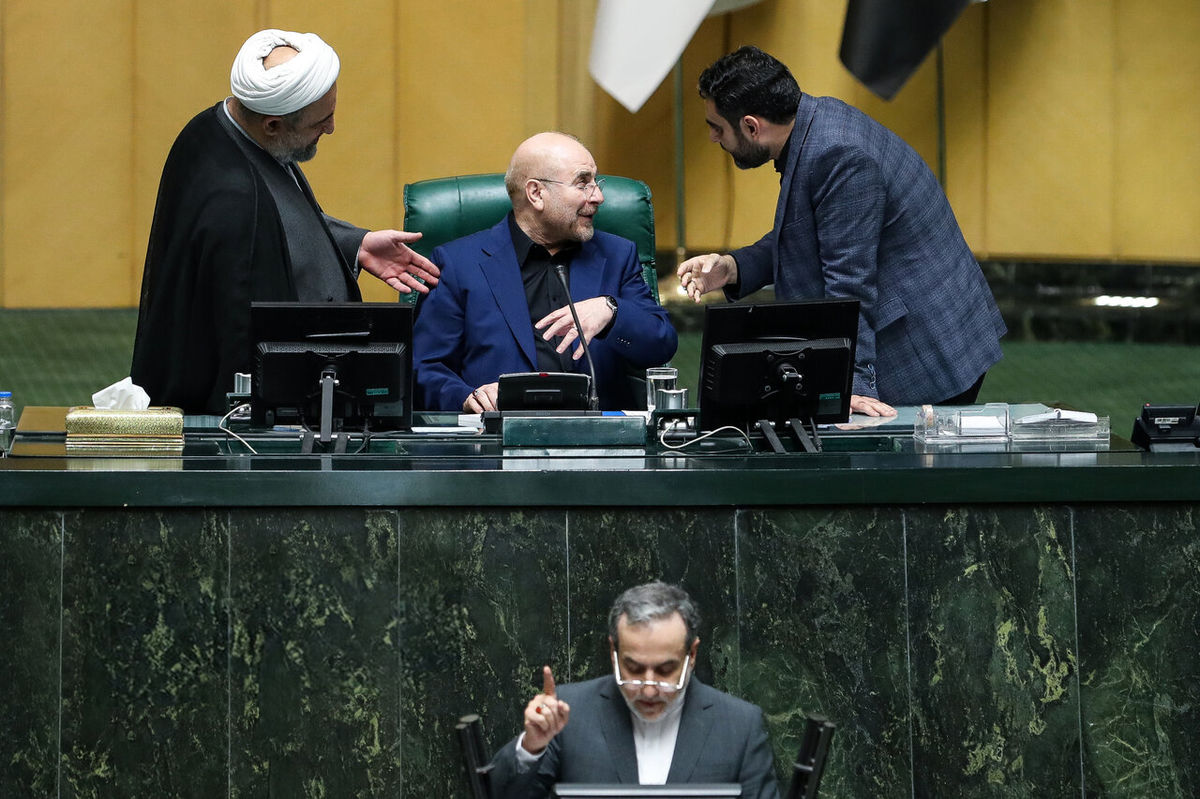
به دنبال جنگ ویرانگر با اسرائیل، به نظر میرسد چشمانداز سیاست داخلی ایران در حال تغییر است. برای اولین بار در سالها، صداهای میانهرو در داخل رژیم نشانههایی از نفوذ مجدد را نشان میدهند و برای تعامل عملگرایانه با غرب و رویکردهای نرمتر در مورد مسائل داخلی تفرقهانگیز مانند قانون حجاب و سانسور آنلاین تلاش میکنند. با این حال، در حالی که تجدید حیات میانهروها تحت ریاست جمهوری مسعود پزشکیان انرژی جدیدی به سیاست ایران تزریق کرده است، بسیاری از تحلیلگران هشدار میدهند که ظهور آنها ممکن است موقتی باشد – یک تغییر تاکتیکی از سوی رهبر علی خامنهای به جای یک تغییر ایدئولوژیک واقعی.
شکاف جناحی ایران همچنان عمیقاً ریشه دوانده است. طیف سیاسی بین اصولگرایان تندرو، که بر مجلس، سرویسهای امنیتی و نهادهای مذهبی تسلط دارند، و میانهروهای عملگرا، که بر دیپلماسی و ثبات اقتصادی تأکید دارند، گسترده است. در حالی که هر دو اردوگاه به اصول اساسی انقلاب اسلامی وفادار هستند، اما در مورد چگونگی پیگیری این اهداف به شدت اختلاف نظر دارند. جنگ با اسرائیل این تنش را آشکار کرد: تندروها بر سرکشی و نمایش قدرت منطقهای اصرار داشتند، در حالی که میانهروها بیسروصدا خواستار خویشتنداری و از سرگیری گفتگو با ایالات متحده بودند. با وجود تلفات سنگین نظامی، تصمیم دولت برای نبستن درهای دیپلماسی – و حفظ کانالهای ارتباطی با واشنگتن و مسکو – یک پیروزی نمادین برای میانهروها بود.
عباس عراقچی، وزیر امور خارجه، به عنوان چهره اصلی این چرخش عملگرایانه ظهور کرده است. اگرچه او در ابتدا مذاکره با واشنگتن را رد کرد، اما اظهارات بعدی او به انعطافپذیری اشاره داشت و آتشبس را «دریچهای جدید برای دیپلماسی جامع» توصیف کرد. چنین زبانی در تضاد کامل با لفاظیهای تقابلی سالهای اخیر بود و نشان دهنده درک فزایندهای در تهران بود که جنگ، ایران را از نظر نظامی تضعیف و از نظر دیپلماتیک منزوی کرده است. در این فضا، استدلال میانهروها – مبنی بر اینکه تنها مذاکره میتواند تحریمها را کاهش دهد و ثبات اقتصادی را بازگرداند – مورد توجه قرار گرفت. دولت پزشکیان با دقت این تلاشها را مطابق با راهنماییهای خامنهای تنظیم کرده و دیپلماسی را به عنوان امتداد قدرت ایران به جای یک امتیاز به تصویر کشیده است. با این حال، تندروها با فشار آوردن به تصویب قوانینی برای محدود کردن همکاری با آژانس بینالمللی انرژی اتمی و متهم کردن میانهروها به تضعیف حاکمیت ملی، به مقابله برخاستهاند.
اعتماد به نفس فزاینده میانهروها در جبهه داخلی نیز احساس شده است. بارزترین نمونه، تصمیم آرام دولت برای به تعویق انداختن اجرای قانون جدید حجاب اجباری است که خشم عمومی را برانگیخته و بسیاری آن را نقطه اشتعال بالقوهای برای ناآرامیهای مجدد میدانند. طبق گزارشها، پزشکیان با استناد به خطر بیثباتی اجتماعی در بحبوحه مشکلات اقتصادی مداوم، به دنبال جلب رضایت خامنهای برای به تعویق انداختن این اقدام بود. این اقدام، تندروهای مجلس را که رئیس جمهور را به تجاوز از اختیارات خود متهم میکردند، خشمگین کرد، اما شورای امنیت ملی در نهایت از این تأخیر حمایت کرد – یک پیروزی رویهای نادر برای اردوگاه میانهروها. نتیجه مشابهی در ماه اوت رخ داد، زمانی که دولت لایحه پیشنهادی «ضد اخبار جعلی» را که مجازاتهای گستردهای، از جمله حکم اعدام، را برای ابراز عقیده آنلاین که برای امنیت ملی مضر تلقی میشد، اعمال میکرد، پس گرفت. واکنش شدید رسانهها و اعتراضات نمایندگان میانهرو، منجر به حذف این لایحه شد و بر توانایی رو به رشد میانهروها در بسیج فشار نهادی و عمومی علیه ابتکارات تندروها تأکید کرد.
با این حال، دوام این تجدید حیات میانهروها نامشخص است. خامنهای کنترل نهایی بر تمام انتصابات ارشد را حفظ میکند و اگر تعادل فعلی دیگر در خدمت اهداف استراتژیک او نباشد، میتواند به راحتی مسیر را تغییر دهد. تندروها همچنان در ساختار قدرت ایران ریشه دوانده و همچنان بر نیروهای مسلح، قوه قضائیه و بسیاری از رسانهها تسلط دارند. پیروزیهای اخیر میانهروها به همان اندازه که به شرایط بستگی دارد، به اعتقاد راسخ آنها نیز بستگی دارد: ارتش ایران در طول جنگ به شدت آسیب دید، اقتصاد آن تحت تحریمها در حال فروپاشی است و سیستمهای انرژی و آب آن تحت فشار هستند. با وجود گزینههای اندک، عملگرایی ممکن است صرفاً یک استراتژی بقا باشد – یک امتیاز موقت به بحران به جای یک تغییر اساسی در جهت.
اینکه آیا این لحظه به یک نقطه عطف پایدار تبدیل شود، تا حد زیادی به توانایی میانهروها در ارائه نتایج ملموس بستگی دارد. اگر عراقچی حتی یک توافق هستهای محدود را که فشار اقتصادی را کاهش میدهد، امضا کند، یا اگر پزشکیان موفق شود ناآرامیهای داخلی را بدون سرکوب گسترده مهار کند، خامنهای ممکن است به میانهروها آزادی عمل بیشتری بدهد. اما اگر تحریمها تشدید شود، اعتراضات شعلهور شود یا دیپلماسی متوقف شود، آونگ میتواند به سرعت به سمت تندروها برگردد. در حال حاضر، میانهروهای ایران قویتر از سالهای گذشته ایستادهاند – اما آینده آنها همچنان به توازن شکننده قدرت در قلب جمهوری اسلامی گره خورده است.
متن کامل این مطلب به انگلیسی:
“Are Iran’s Moderates on the Up After the War with Israel?”
Moderates Gain Ground in Postwar Iran – But for How Long?
In the wake of the devastating war with Israel, Iran’s internal political landscape appears to be shifting. For the first time in years, moderate voices inside the regime are showing signs of renewed influence, pushing for pragmatic engagement with the West and softer approaches on divisive domestic issues such as the hijab law and online censorship. Yet, while the moderates’ resurgence under President Masoud Pezeshkian has injected new energy into Iran’s politics, many analysts caution that their rise may prove temporary – a tactical adjustment by Supreme Leader Ali Khamenei rather than a true ideological shift.
Iran’s factional divide remains deeply entrenched. The political spectrum stretches between hardline idealists, who dominate the parliament, security services, and religious institutions, and pragmatic moderates, who emphasize diplomacy and economic stabilization. While both camps are loyal to the core principles of the Islamic Revolution, they diverge sharply over how those goals should be pursued. The war with Israel laid bare this tension: hardliners insisted on defiance and regional projection of power, while moderates quietly urged restraint and renewed dialogue with the United States. Despite heavy military losses, the government’s decision not to close the door to diplomacy – and to maintain backchannels with Washington and Moscow – marked a symbolic victory for the moderates.
Foreign Minister Abbas Araghchi has emerged as the key face of this pragmatic turn. Although he initially ruled out talks with Washington, his later remarks hinted at flexibility, describing the ceasefire as “a new window for comprehensive diplomacy.” Such language stood in stark contrast to the confrontational rhetoric of recent years and reflected a growing realization in Tehran that the war had left Iran militarily weakened and diplomatically isolated. In this environment, the moderates’ argument – that only negotiation can ease sanctions and restore economic stability – gained traction. Pezeshkian’s government has carefully framed these efforts as consistent with Khamenei’s guidance, portraying diplomacy as an extension of Iran’s strength rather than a concession. Still, hardliners have fought back, pushing legislation to restrict cooperation with the International Atomic Energy Agency and accusing moderates of undermining national sovereignty.
The moderates’ growing confidence has also been felt on the domestic front. The most visible example is the government’s quiet decision to delay enforcement of a new mandatory hijab law, which had sparked outrage and was seen by many as a potential flashpoint for renewed unrest. Pezeshkian reportedly sought Khamenei’s consent to postpone the measure, citing the risk of social instability amid ongoing economic hardship. The move infuriated hardliners in the Majlis, who accused the president of overstepping his authority, but the National Security Council ultimately backed the delay – a rare procedural victory for the moderate camp. A similar outcome followed in August, when the government withdrew a proposed “anti-fake news” bill that would have imposed sweeping penalties, including the death sentence, for online expression deemed harmful to national security. Media backlash and protests from moderate lawmakers forced the bill’s removal, underscoring the moderates’ growing ability to mobilize institutional and public pressure against hardline initiatives.
Still, the durability of this moderate resurgence is uncertain. Khamenei retains ultimate control over all senior appointments and could easily reverse course if the current balance ceases to serve his strategic goals. Hardliners remain entrenched within Iran’s power structure and continue to dominate the armed forces, the judiciary, and much of the media. The moderates’ recent wins owe as much to circumstance as to conviction: Iran’s military was heavily damaged during the war, its economy is collapsing under sanctions, and its energy and water systems are under strain. With few alternatives, pragmatism may simply be a survival strategy – a temporary concession to crisis rather than a fundamental change in direction.
Whether this moment becomes a lasting turning point will depend largely on the moderates’ ability to deliver tangible results. If Araghchi secures even a limited nuclear deal that relieves economic pressure, or if Pezeshkian manages to contain domestic unrest without mass repression, Khamenei may allow the moderates greater latitude. But if sanctions tighten, protests flare, or diplomacy stalls, the pendulum could swing swiftly back toward the hardliners. For now, Iran’s moderates stand stronger than they have in years – but their future remains tied to the fragile balance of power at the heart of the Islamic Republic.
The full version of this paper: “Are Iran’s Moderates on the Up After the War with Israel?”