

جبهه سایبری ایران: چگونه گروه هکری «حنظله» به سلاح جنگی جدید تهران تبدیل شد
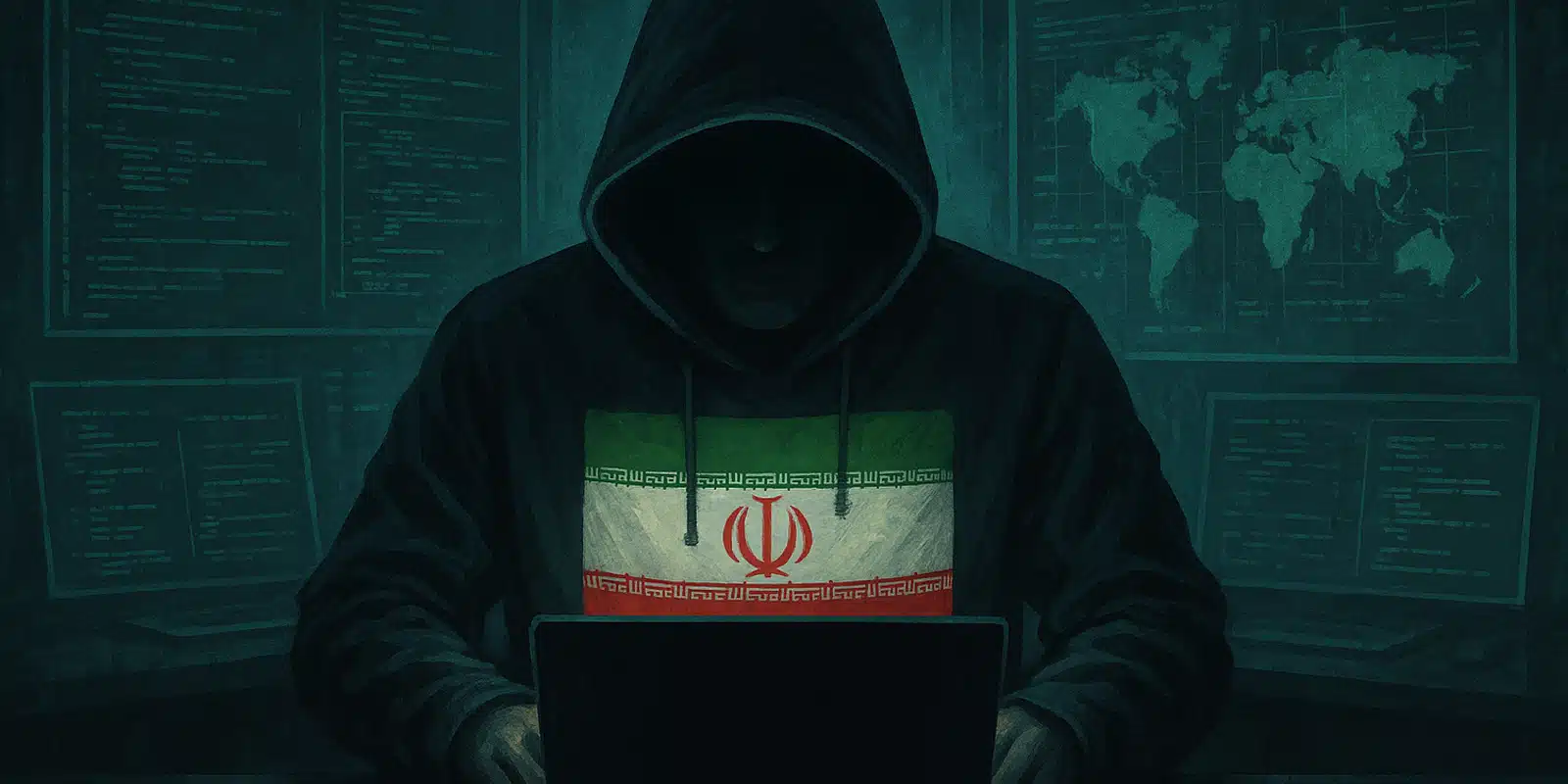
در حالی که ایران برای بازسازی پس از جنگ ۱۲ روزه با اسرائیل تلاش میکند، جبهه جدیدی در این درگیری بیسروصدا – آنلاین – ظهور کرده است. گروه هکری ایرانی «حنظله» به نماد استراتژی در حال تغییر تهران تبدیل شده است و نشان میدهد که چگونه رژیم اکنون برای اعمال قدرت، تأثیرگذاری بر ادراک و جبران تواناییهای نظامی ضعیف خود به عملیات سایبری متکی است. حنظله که زمانی در لباس یک گروه طرفدار فلسطین ظاهر میشد، به یک شخصیت سایبری پیچیده تبدیل شده است که مستقیماً در خدمت سازمان اطلاعات ایران است و نهادهای اسرائیلی و مخالفان ایرانی خارج از کشور را هدف قرار میدهد.
این گروه برای اولین بار در اواخر سال ۲۰۲۳، در مراحل اولیه جنگ حماس و اسرائیل، ظاهر شد و خود را به عنوان حامی مردمی «محور مقاومت» معرفی کرد. اما تاکتیکها و زمانبندی آن به زودی روابط رسمی را آشکار کرد. حنظله که عمدتاً در X و تلگرام فعالیت میکرد، جریان مداومی از حملات سایبری را آغاز کرد که شامل تخریب وبسایتهای اسرائیلی، سرقت دادههای حساس و انتشار تبلیغات بود. این گروه ادعا میکرد که از طرف فلسطینیها عمل میکند، اما تحقیقات آن را به وزارت اطلاعات ایران، به ویژه واحدی به نام Storm-0842 – همان شبکهای که در پشت عملیاتهای سایبری قبلی ایران با نامهای مستعار مانند “DarkBit” و “Homeland Justice” قرار داشت – مرتبط دانست. با گذشت زمان، حنظله به سلاح دیجیتالی ترجیحی تهران علیه اسرائیل تبدیل شد و حتی پس از آتشبس ژوئن 2025 نیز به عملیات خود ادامه داد.
فعالیتهای حنظله مرز بین اقدام نظامی و جنگ روانی را محو میکند. قابل توجهترین عملیات آن شامل نشت اطلاعات شخصی صاحبان اسلحه اسرائیلی، ربودن سیستمهای ارتباطی در شمال اسرائیل برای پخش هشدارهای عربی و نفوذ به شبکههای مرتبط با سایتهای حساس مانند تأسیسات هستهای «نخل سورک» است. این گروه همچنین مخالفان رژیم در خارج از کشور – به ویژه «ایران اینترنشنال»، یک کانال خبری فارسی زبان مستقر در لندن که منتقد تهران است – را هدف قرار داده است. حنظله با هک کردن حسابهای تلگرام روزنامهنگاران این کانال و انتشار اطلاعات شخصی آنها، نه تنها مخالفان را مجازات کرد، بلکه تصویر داخلی رژیم را پس از شکستهایش در میدان جنگ تقویت کرد.
این حملات سایبری، تحول استراتژیک گستردهتری را در دکترین امنیتی تهران برجسته میکند. سرویسهای اطلاعاتی ایران به طور فزایندهای فضای مجازی را به عنوان یک میدان نبرد فعال در نظر میگیرند – میدانی که به رژیم اجازه میدهد هزینههای روانی و عملیاتی را بدون خطر تشدید به جنگ آشکار تحمیل کند. مقامات تهران، از جمله چهرههای ارشد سپاه پاسداران، آشکارا گفتهاند که با وجود آتشبس با اسرائیل، «جنگ پایان نیافته است». این لفاظی پوششی برای عملیات تهاجمی مداوم در فضای مجازی فراهم میکند و ایران را قادر میسازد تا ضمن حفظ انکار موجه، به خصومتها ادامه دهد. فعال شدن مجدد اخیر شورای عالی دفاع ایران، که وظیفه هماهنگی تلاشهای «جنگ ترکیبی» را بر عهده دارد، بر قصد رژیم برای رسمیت بخشیدن به این جبهه دیجیتال به عنوان بخشی از استراتژی کلی دفاعی خود تأکید میکند.
برای ایران، جنگ سایبری اکنون دو هدف را دنبال میکند: بازسازی وجهه خود در خارج از کشور و حفظ کنترل در داخل. ارتش در این جنگ متحمل خسارات سنگینی شد، فرماندهان کلیدی کشته شدند و زیرساختها نابود شدند. در مقابل، عملیات سایبری مانند عملیاتهای انجام شده توسط حنظله، جایگزینی کمهزینه و کمخطر را برای تهران فراهم میکند – راهی برای حمله به اسرائیل، ارعاب منتقدان تبعیدی و نمایش قدرت به مخاطبان داخلی خسته. توانایی رژیم در دستکاری اطلاعات و کنترل روایتها از طریق چنین عملیاتی ممکن است به اندازه بازدارندگی متعارف حیاتی باشد.
اینکه آیا حنظله نشان دهنده یک پاسخ موقت به بحران است یا ستون دائمی زرادخانه استراتژیک ایران، هنوز مشخص نیست. آنچه مسلم است این است که فضای مجازی به پویاترین صحنه درگیری تهران تبدیل شده است. برای اسرائیل، پیام واضح است: حتی در مواقع آرامش ظاهری، جنگ دیجیتال همچنان ادامه دارد – جنگی که نه با موشک، بلکه با بدافزار، اطلاعات نادرست و فشار روانی انجام میشود.
متن کامل این مطلب به انگلیسی:
“Cyber as the Continuation of War by Other Means: The Case of Iran’s Hacking Group ‘Handala’”
Cyber as the Continuation of War by Other Means: The Case of Iran’s Hacking Group “Handala”
Iran’s Cyber Front: How “Handala” Became Tehran’s New Weapon of War
As Iran struggles to rebuild from its bruising 12-day war with Israel, a new front in the conflict has quietly emerged – online. The Iranian hacking group “Handala” has become the symbol of Tehran’s shifting strategy, showing how the regime now relies on cyber operations to project power, influence perception, and compensate for weakened military capabilities. Once disguised as a pro-Palestinian collective, Handala has evolved into a sophisticated cyber persona working directly in the service of Iran’s intelligence establishment, targeting Israeli institutions and Iranian dissidents abroad.
The group first appeared in late 2023, during the early stages of the Hamas-Israel war, presenting itself as a grassroots supporter of the “Axis of Resistance.” But its tactics and timing soon revealed official ties. Operating mainly on X and Telegram, Handala launched a steady stream of cyberattacks that included defacing Israeli websites, stealing sensitive data, and spreading propaganda. It claimed to act on behalf of Palestinians, but investigations tied it to Iran’s Ministry of Intelligence, specifically a unit known as Storm-0842 – the same network behind earlier Iranian cyber operations under aliases like “DarkBit” and “Homeland Justice.” Over time, Handala became Tehran’s preferred digital weapon against Israel, even maintaining operations after the June 2025 ceasefire.
Handala’s activities blur the line between military action and psychological warfare. Its most notable operations include leaking personal data of Israeli gun owners, hijacking communication systems in northern Israel to broadcast Arabic warnings, and breaching networks tied to sensitive sites such as the Nahal Soreq nuclear facility. The group has also taken aim at opponents of the regime abroad – notably Iran International, a London-based Persian-language news channel critical of Tehran. By hacking the Telegram accounts of the channel’s journalists and publishing their personal details, Handala not only punished dissent but also bolstered the regime’s domestic image after its battlefield setbacks.
These cyberattacks highlight a broader strategic evolution within Tehran’s security doctrine. Iran’s intelligence services increasingly treat cyberspace as an active battlefield – one that allows the regime to inflict psychological and operational costs without risking escalation to open warfare. Officials in Tehran, including senior figures in the Revolutionary Guards, have openly suggested that the “war has not ended” despite the ceasefire with Israel. This rhetoric provides cover for continued offensive operations in cyberspace, enabling Iran to sustain hostilities while preserving plausible deniability. The recent reactivation of Iran’s Supreme Defense Council, tasked with coordinating hybrid warfare efforts, underscores the regime’s intent to formalize this digital front as part of its overall defense strategy.
For Iran, cyberwarfare now serves dual purposes: restoring its image abroad and maintaining control at home. The military suffered heavy losses in the war, with key commanders killed and infrastructure destroyed. In contrast, cyber operations like those conducted by Handala offer Tehran a low-cost, low-risk alternative – a way to strike at Israel, intimidate exiled critics, and showcase strength to a weary domestic audience. The regime’s ability to manipulate information and control narratives through such operations may prove as vital as conventional deterrence.
Whether Handala represents a temporary response to crisis or a permanent pillar of Iran’s strategic arsenal remains unclear. What is certain is that cyberspace has become Tehran’s most dynamic theater of conflict. For Israel, the message is clear: even in times of apparent calm, the digital war persists – one waged not with missiles, but with malware, misinformation, and psychological pressure.
The full version of this paper: “Cyber as the Continuation of War by Other Means: The Case of Iran’s Hacking Group ‘Handala’”
Cyber as the Continuation of War by Other Means: The Case of Iran’s Hacking Group “Handala”